When I Miss You
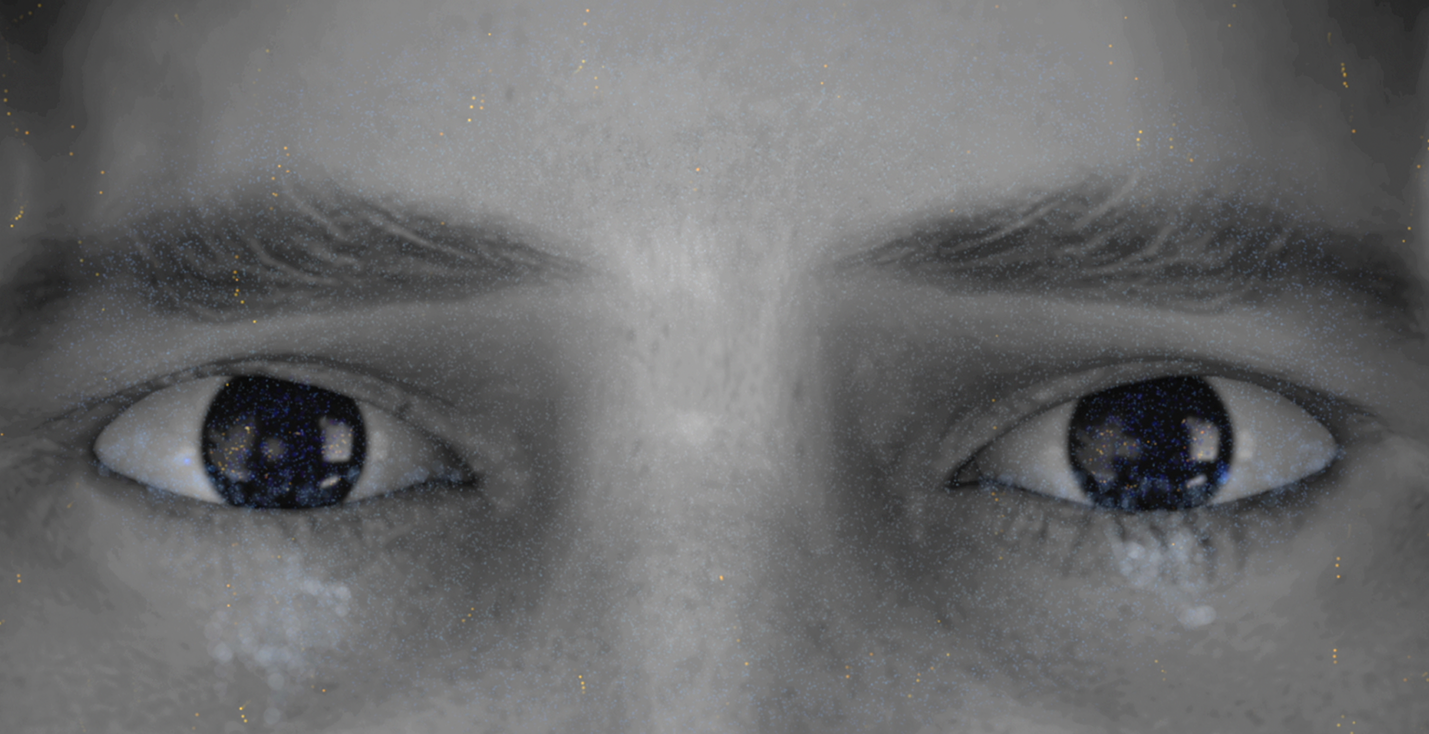
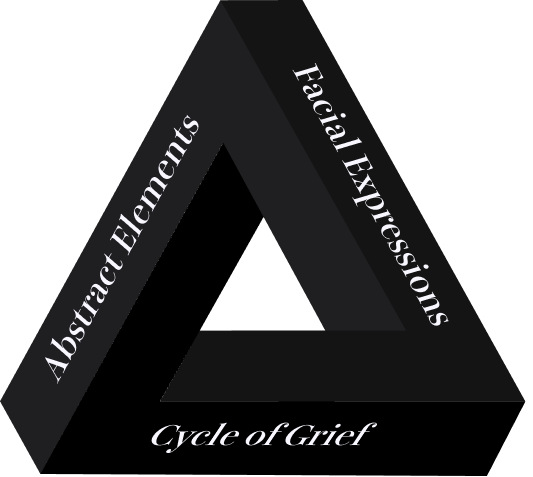
This animation project emphasises emotional representation by combining 3D facial animation with abstract elements to tell a personal story about the emotions and feelings experienced after learning of my grandmother’s passing. Based on this concept, I have divided my research into three main approaches: the storyline, facial expression, and abstract elements, which can be regarded as explicit and implicit embodiments of emotions. The cycle of grief theory is essential for supporting the storyline and facial expression sequences. The facial expression aspect comprises two primary reference resources: Understanding Comics by Scott McCloud and emotional theories by psychologist Paul Ekman serve as a basis for analysing and creating credible expression animation. The abstract element encompasses three key aspects: colour, shape, and texture. I employed these aspects, along with their movement, to design this animation.
Storyline – Cycle of Grief
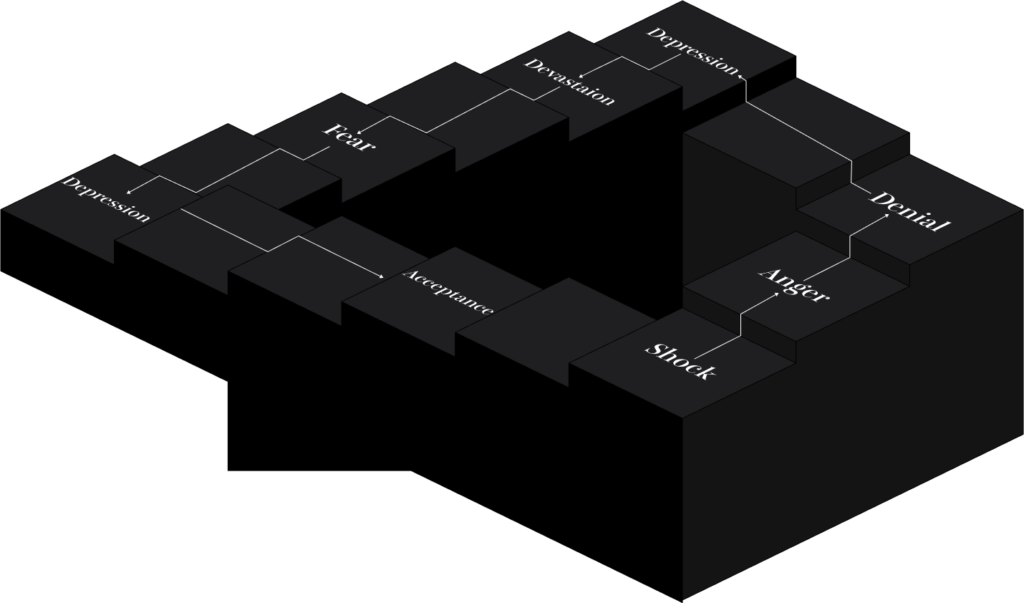
Drawing on the Kübler-Ross model and my personal experience, I have illustrated the stages of grief I went through. While the cycle of grief is generally a long-term process, in my animation, I depict my experience over a brief three-day period, from the moment I was notified of my grandmother’s death to attending her funeral and witnessing her cremation ceremony. Consequently, my emotions changed rapidly, influenced by both the unfolding events and the natural mental processes associated with grief.
Abstract Representation
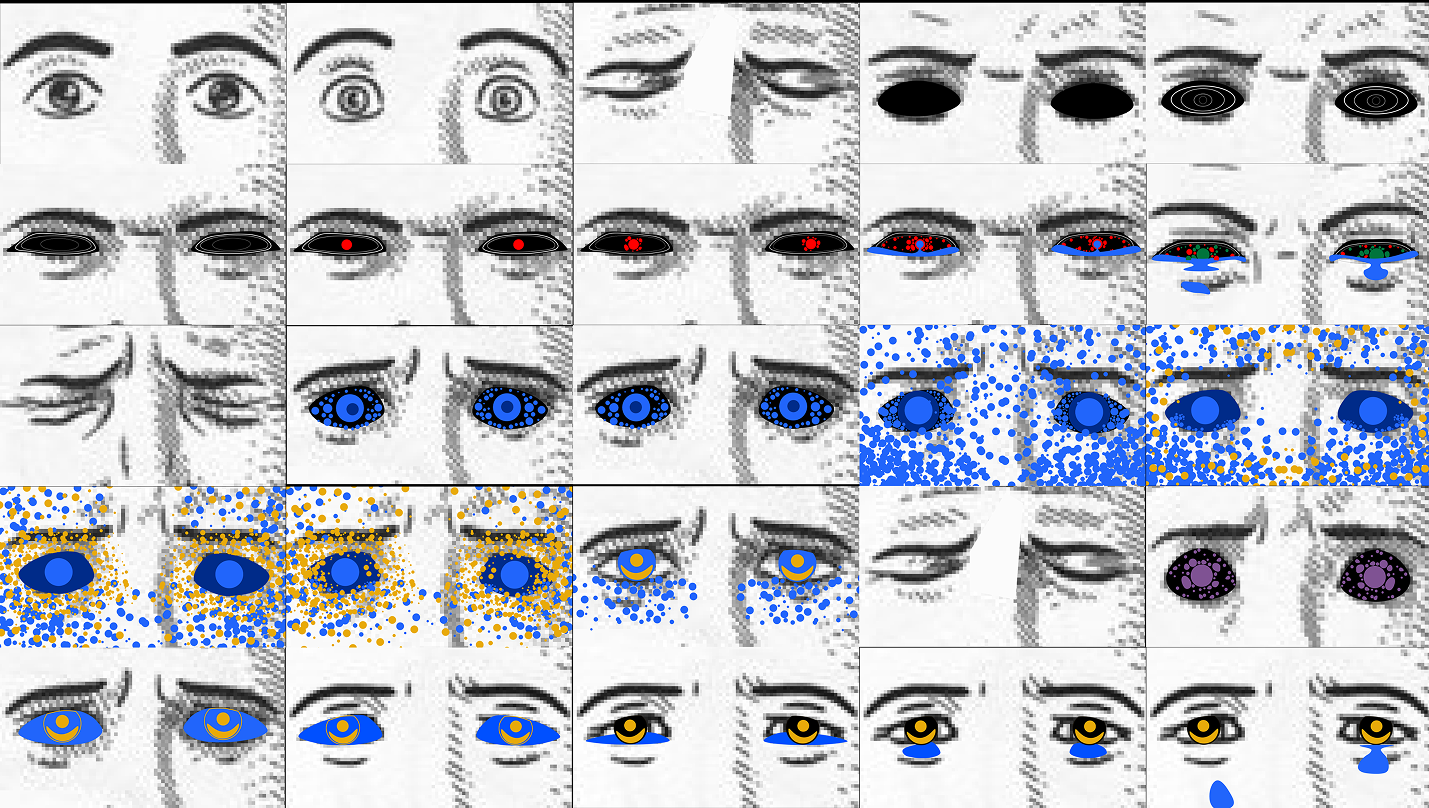
This animation expresses emotional transitions through abstract visual elements. Drawing on Hanada’s colour psychology, I associate emotions with colours: red for anger, blue for sadness, yellow for warmth, purple for fear, and black for devastation (Hanada, 2017). These emotional stages are visually coded through corresponding colours.
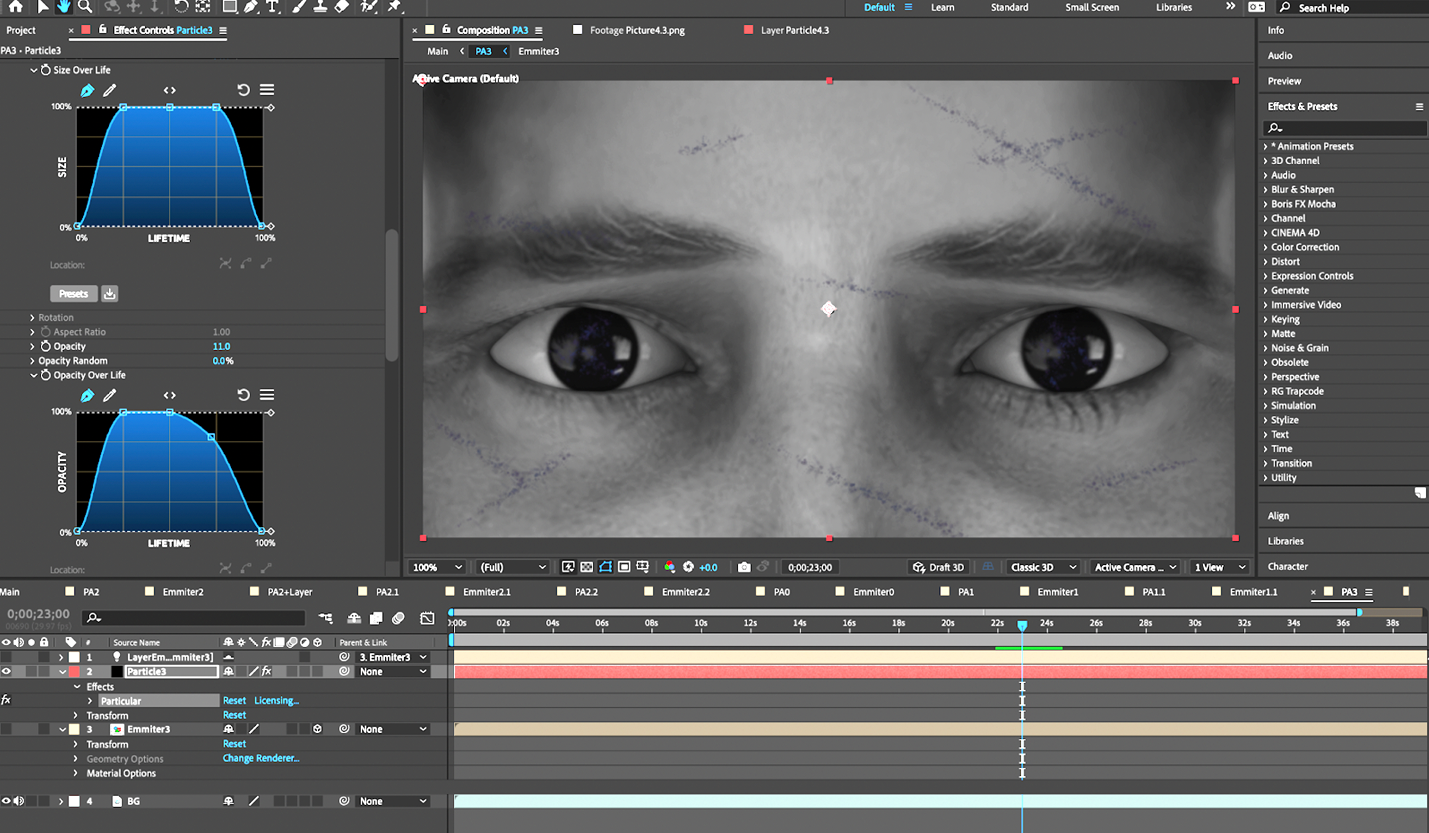
To convey texture and movement, I employed particle animation to simulate the fluidity and transparency of water. By animating the motion of countless independent particles, this technique evokes emotional atmospheres beyond literal representation (Reynolds, 1987). Water becomes a metaphor for emotional states—its turbulence symbolising collapse and chaos, its stillness reflecting calm and inner peace.
I chose rounded particles as a primary visual motif. Their organic and soft contours resonate with the imagery of tears and the sensation of sorrow (Arnheim, 1974; Lester, 2005).By combining colour psychology, circular forms, and the dynamic quality of water, I crafted an emotionally resonant storyboard that embodies the complexity of inner experience through abstraction.
Develop process
For the facial expressions, I chose to use Autodesk Maya’s Blend Shapes Keyframes, as Maya offers powerful animation tools and the ability to create detailed, realistic character models. This software enabled me to effectively animate the characters’ emotions, ensuring a nuanced depiction of their feelings.
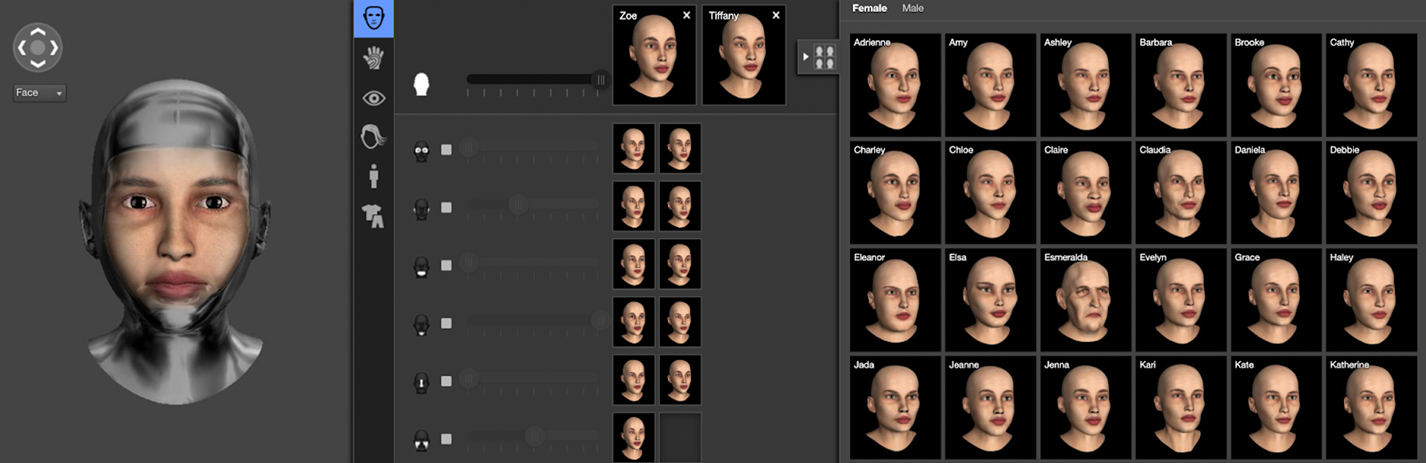
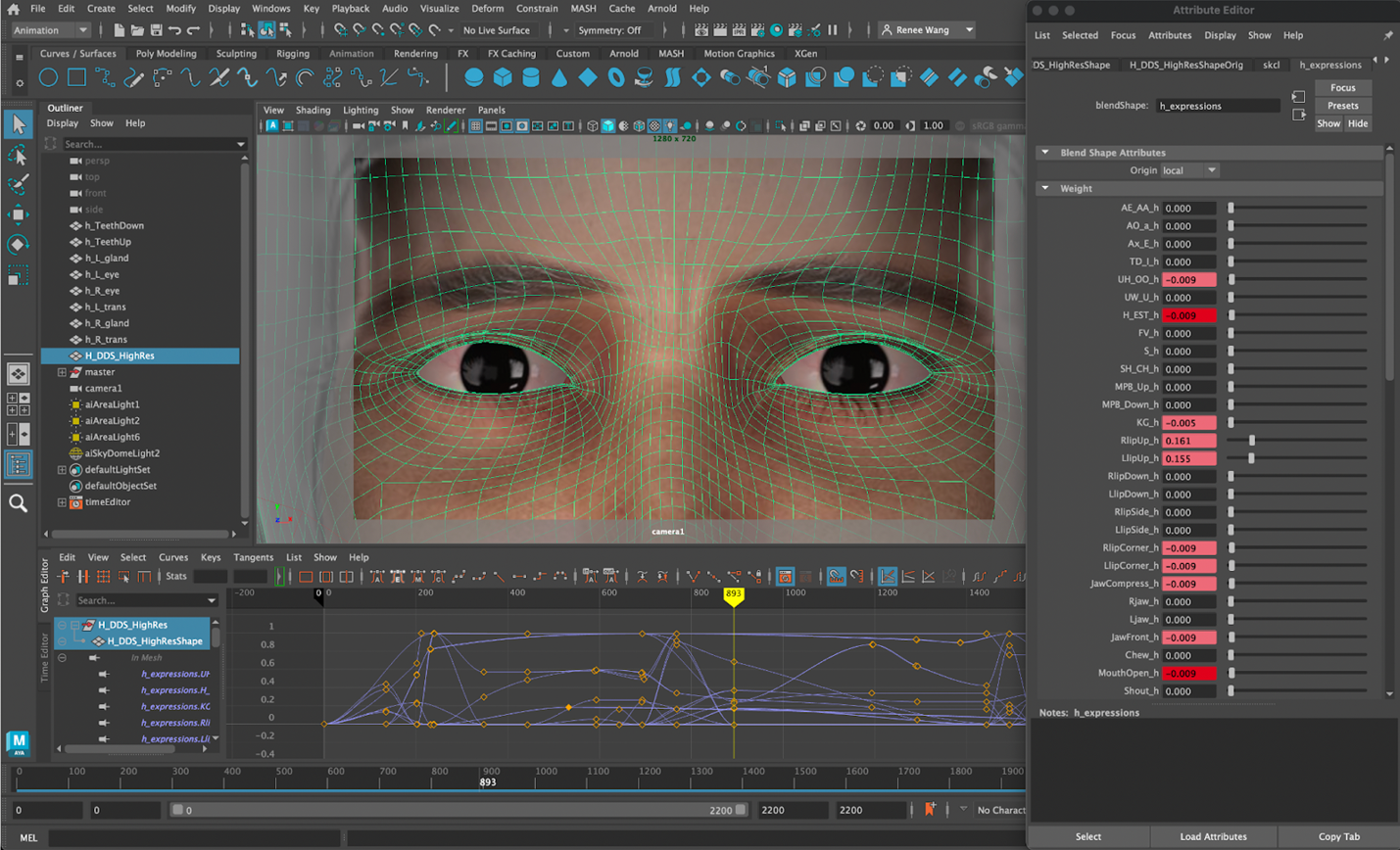
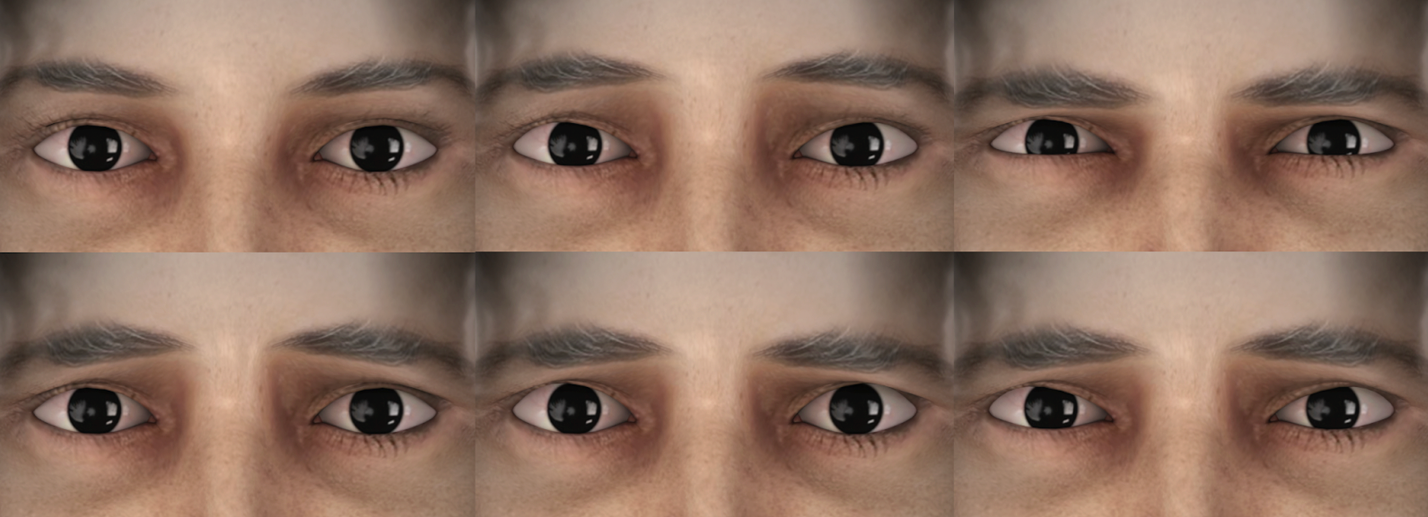
In the abstract animation segment, I utilised Red Giant Particular to create abstract particle animations. This is a plugin designed for Adobe After Effects.
Sound design and music
I choose Ólafur Arnalds – “So Far” as the background music (Arnalds, 2015), This piano-based composition is delicate and melancholic, and its minimalistic approach could effectively underscore the various stages of grief. I re-edited the music piece and synchronized each blink of the character in the animation with a piano accent. The varying tones also subtly hint at different emotions.

The End
For the end of the short film, I wrote “When I miss you, it feels as if I’m immersed in a sunken dream, lost in an ocean of memories and longing that envelop me like a gentle embrace”. This short film commemorates My grandmother, not just me but all my family miss her.