
Book Design: WHEN

Background
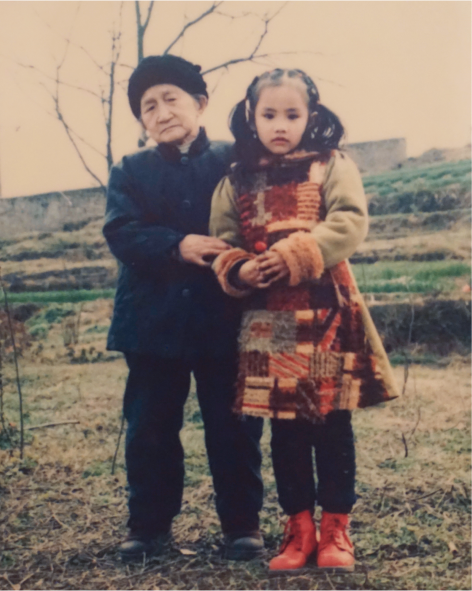
I was raised by my grandmother, who played a central role in my life. During my final year of university, she became critically ill. Fearing it would affect my academic performance, my parents chose not to inform me. As a result, I was unable to say goodbye.
After attending her funeral, I was overcome with grief—not only for her passing but also for the missed chance to be with her in her final moments. I also felt a deep sense of anger and confusion toward my parents’ decision to withhold the truth.
This personal regret led me to reflect on a broader cultural phenomenon in China: the tendency to shield younger generations from death. Many people I spoke to had similar experiences—being excluded from the final moments of their loved ones, only learning of their death at the funeral. This silence often leaves behind a lasting emotional wound.
Later, I read The Death of My Grandma by Hsu Chih-mo (Xu Zhimo). Unlike me, he had the chance to be present—he cared for his grandmother and witnessed her passing. His final reflection was one of calm and acceptance. His emotional journey was something I deeply yearned for but was never able to experience.
With WHEN, I set out to visually translate the emotional contrast between my own unresolved grief and Hsu Chih-mo’s peaceful acceptance, using colour as a language of feeling. By placing these two perspectives side by side, the book invites readers to reflect on how we, as individuals and as a culture, approach death—and how we might do so with greater openness and honesty.
Inspiration & Concept
- Processing Personal Loss
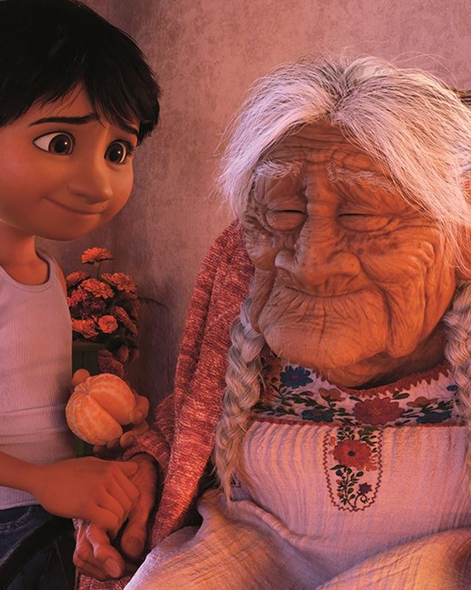
For years, I coped with my grief through journaling. One day, I watched Pixar’s Coco, which beautifully explores the connection between death and memory. Its comforting conclusion stirred me, but also reminded me of the stark difference between fiction and real life—where regret can’t be undone.
Together with the influence of Hsu Chih-mo’s writing, this inspired me to transform my emotional experience into a visual narrative, one that contrasts remembrance with regret, presence with absence.
- Visualising Emotion Through Colour
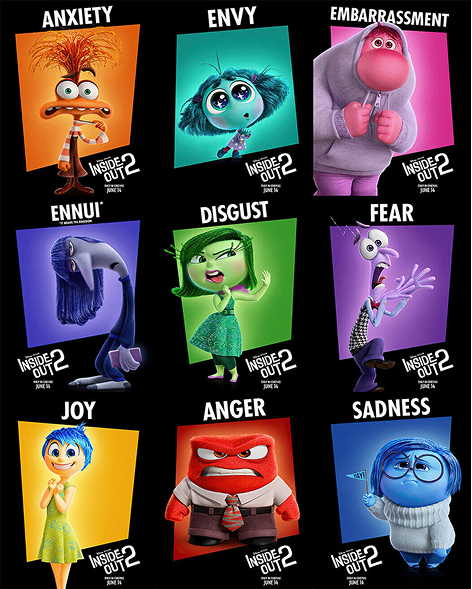
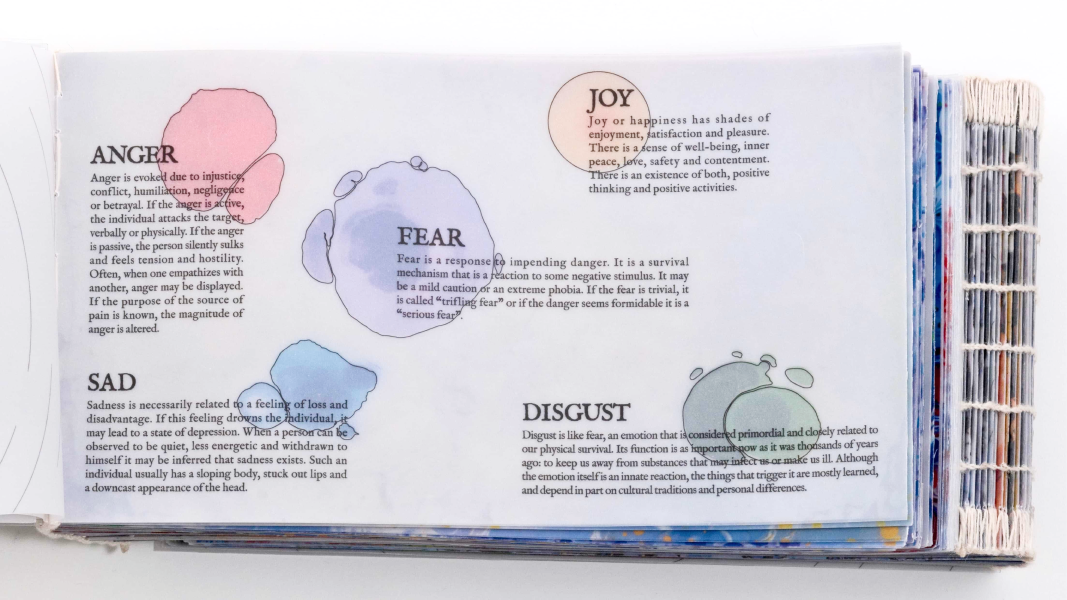
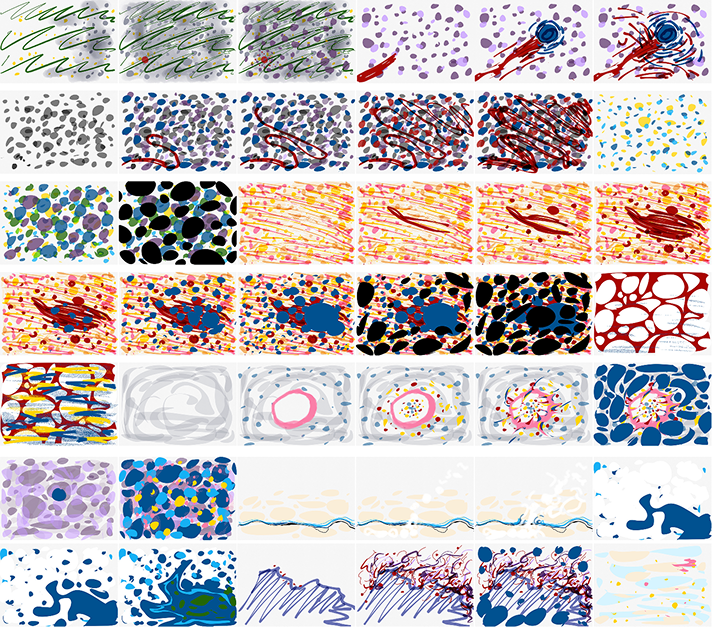
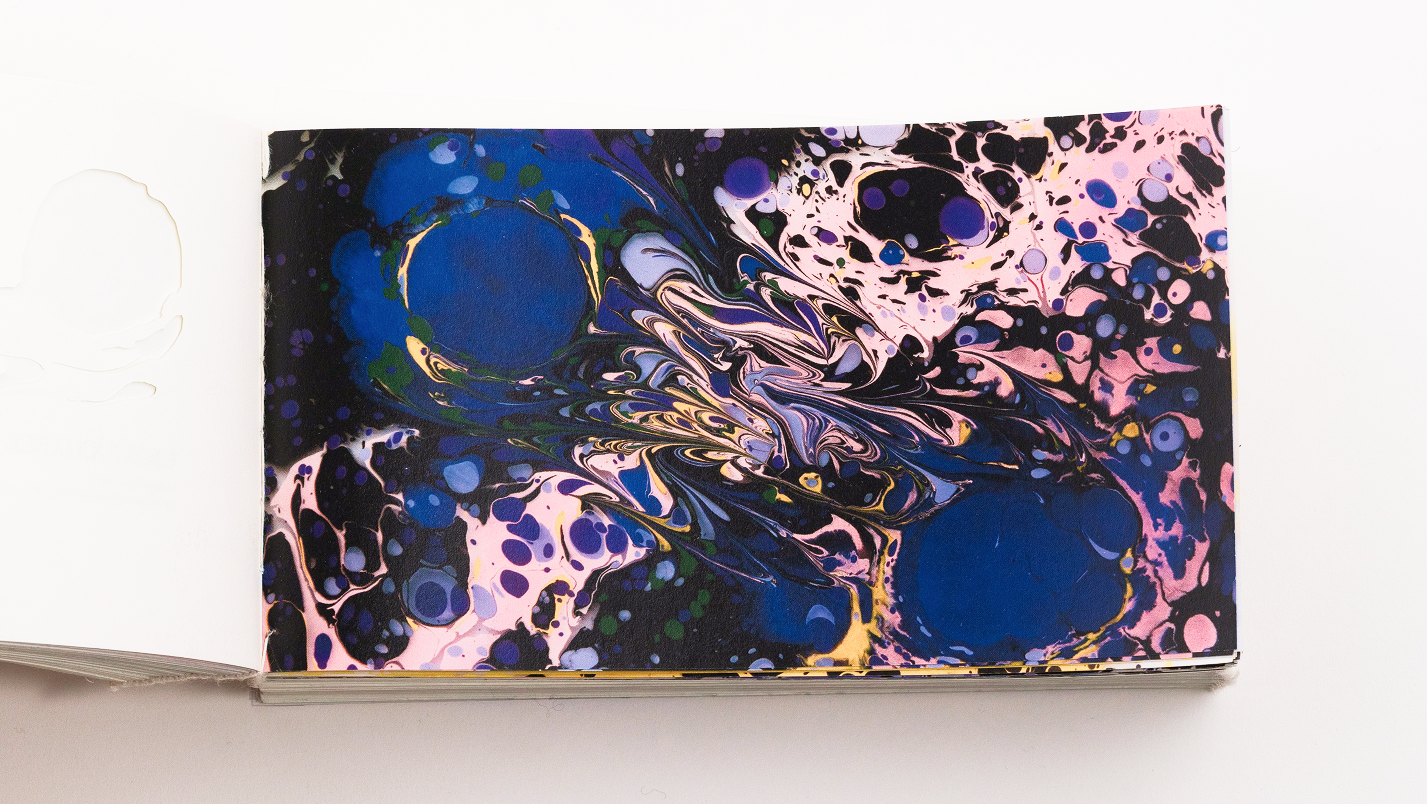
The film Inside Out further shaped my concept. In the film, emotions are personified and assigned specific colours. This inspired me to treat colour as a tool for storytelling. I associated each core emotion with a specific hue:
Red – Anger
Yellow – Joy
Purple – Fear
Green – Disgust
Blue – Sadness
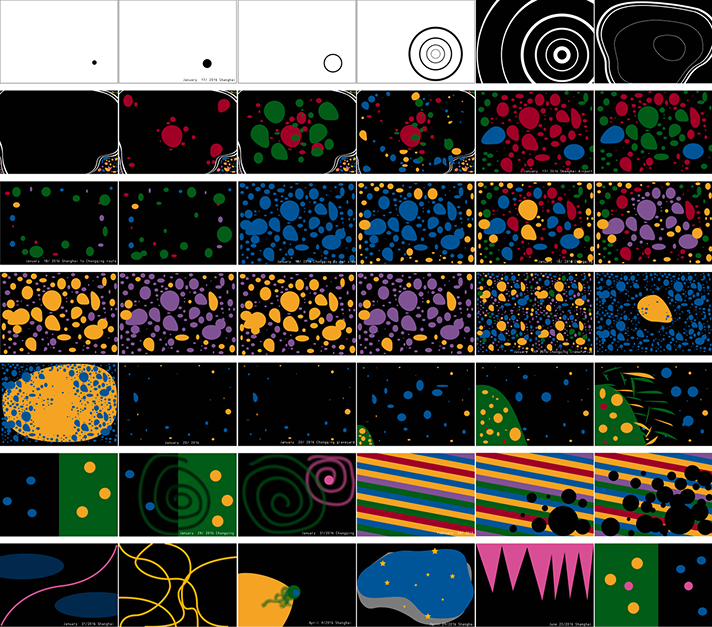
I then extracted emotional moments from both my diary and Hsu Chih-mo’s essay, assigning colours to these feelings and sketching them into storyboards.
Production Process
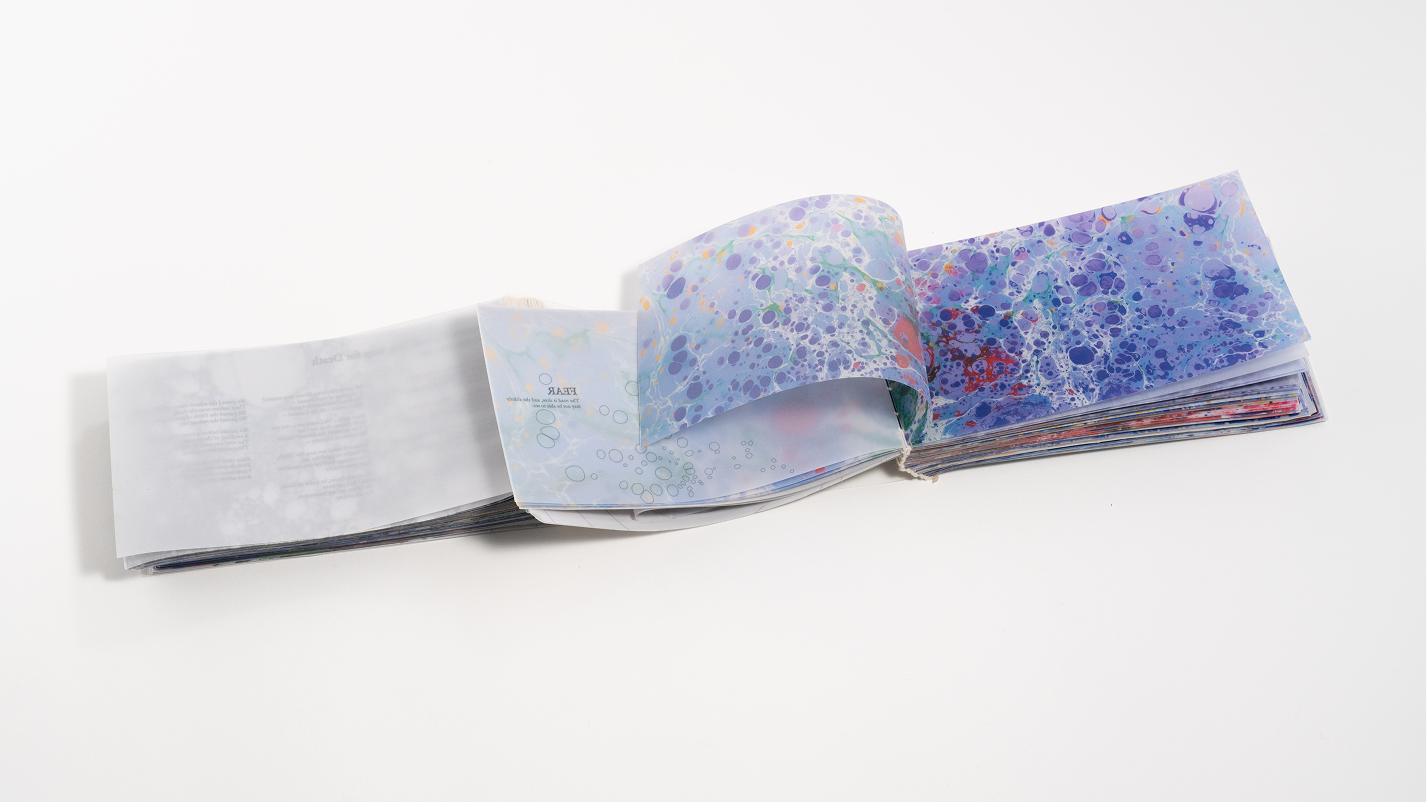
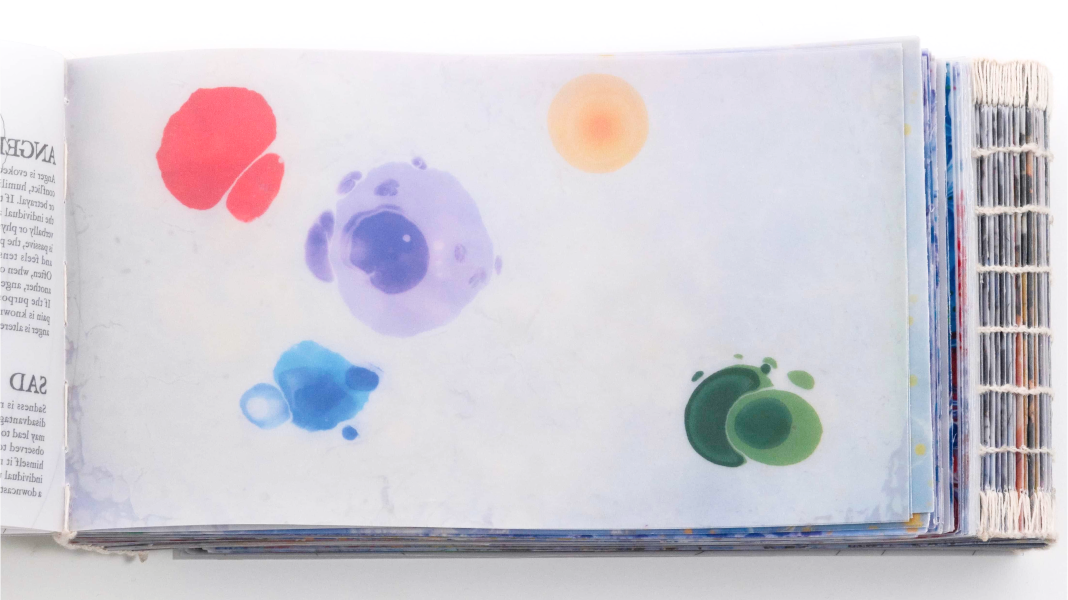
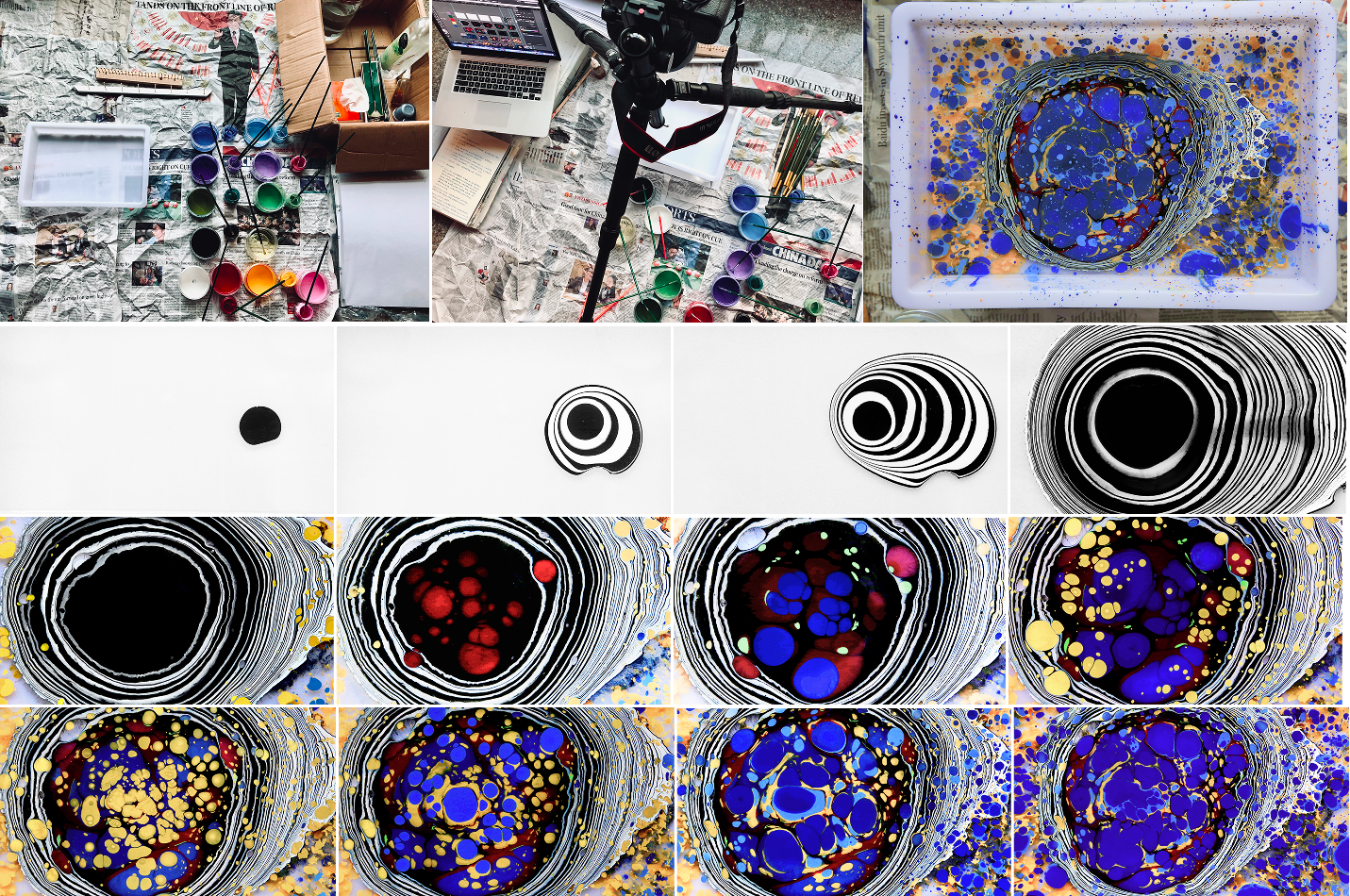
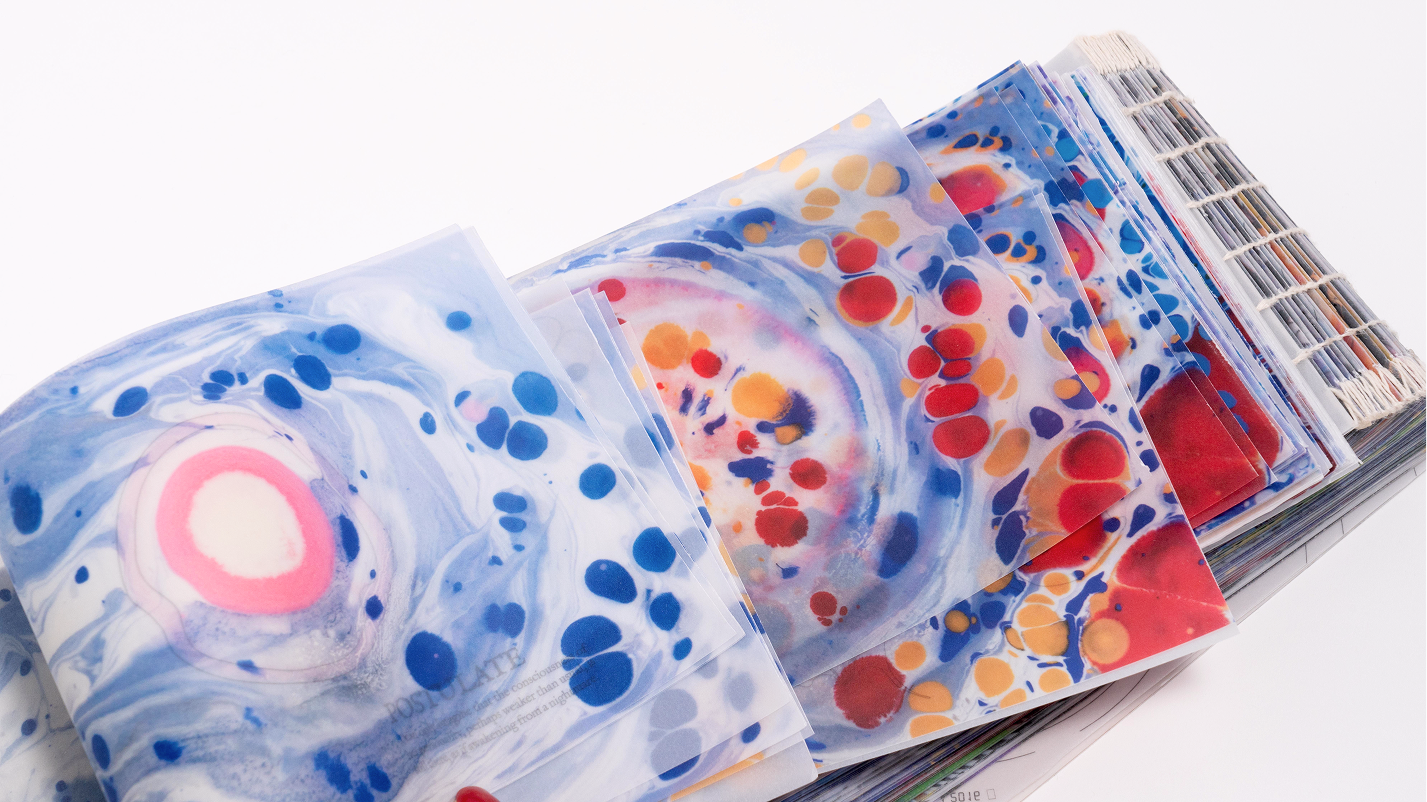
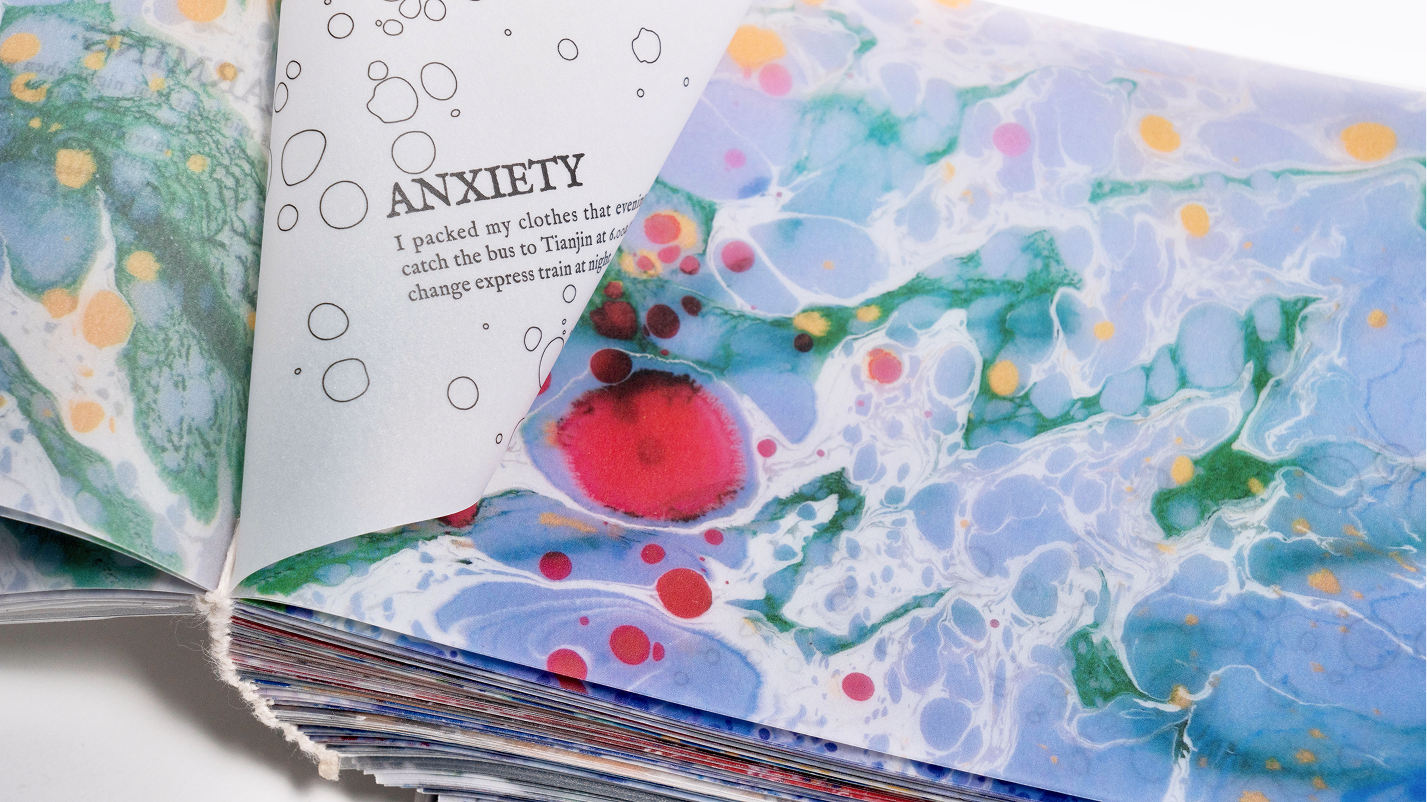
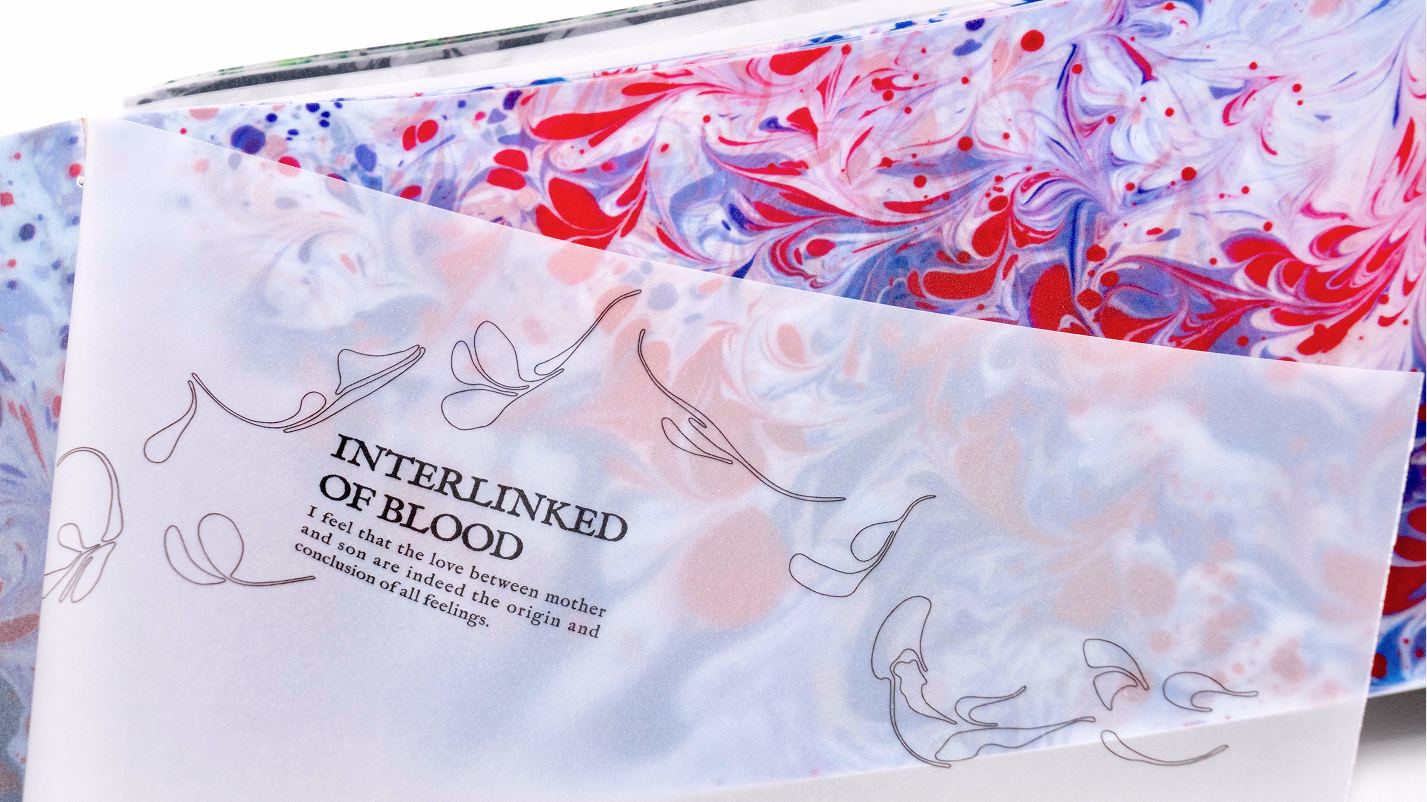
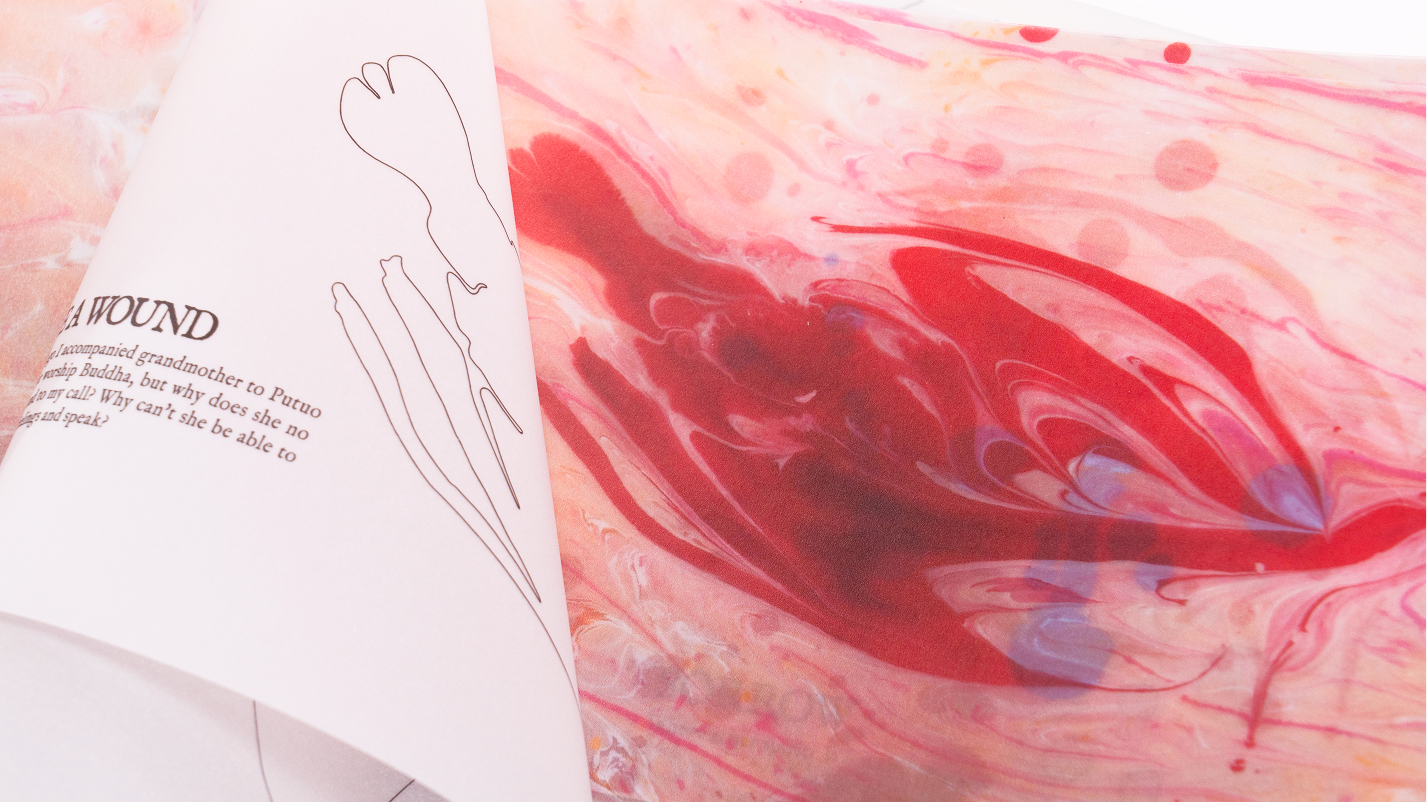
To bring these emotions to life visually, I used Ebru, a traditional water marbling technique. Like emotions, Ebru is fluid, unpredictable, and beautifully layered. I set up a camera above the marbling tray and captured the movement of pigment on the water through continuous shooting. This created a sequence of flowing, interconnected images that echo the emotional shifts in the narrative.
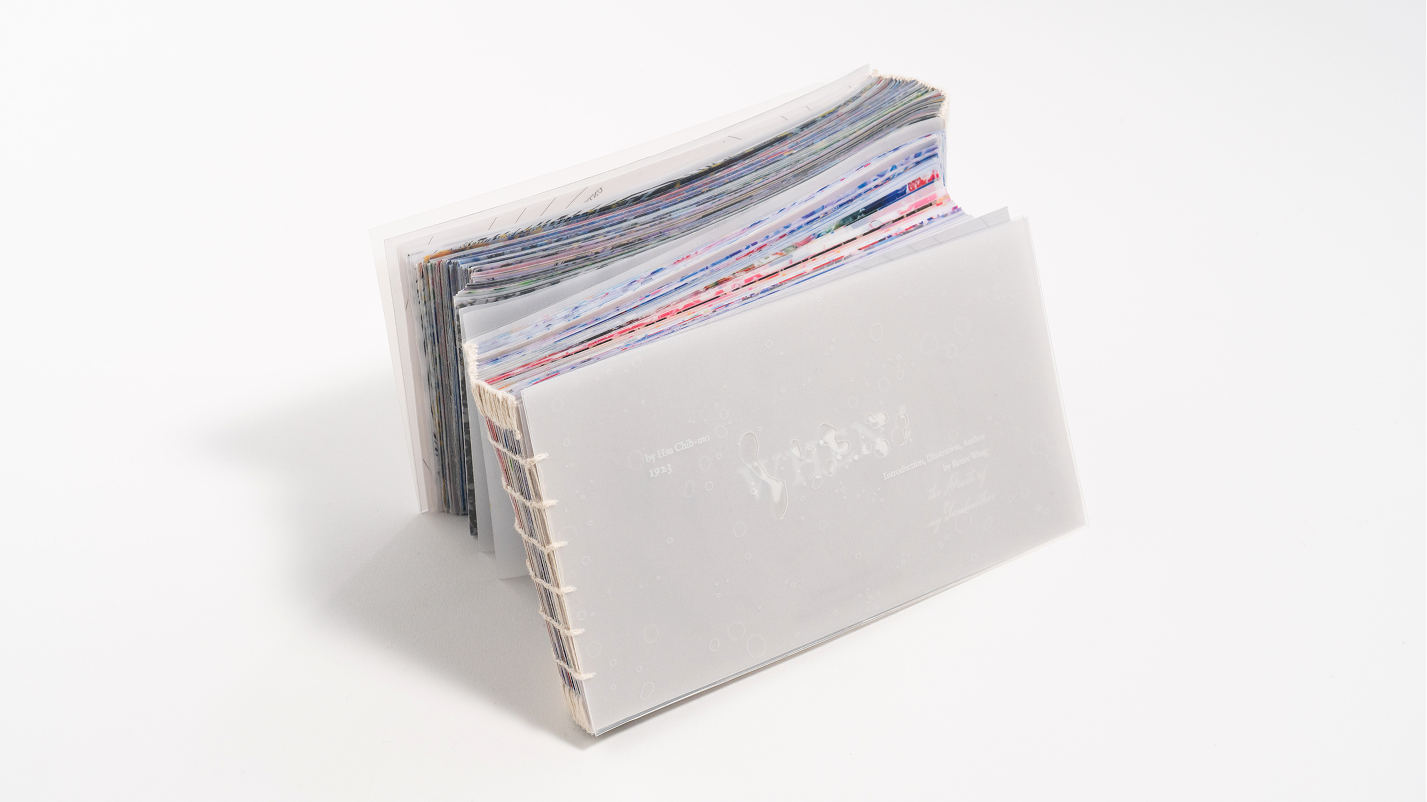
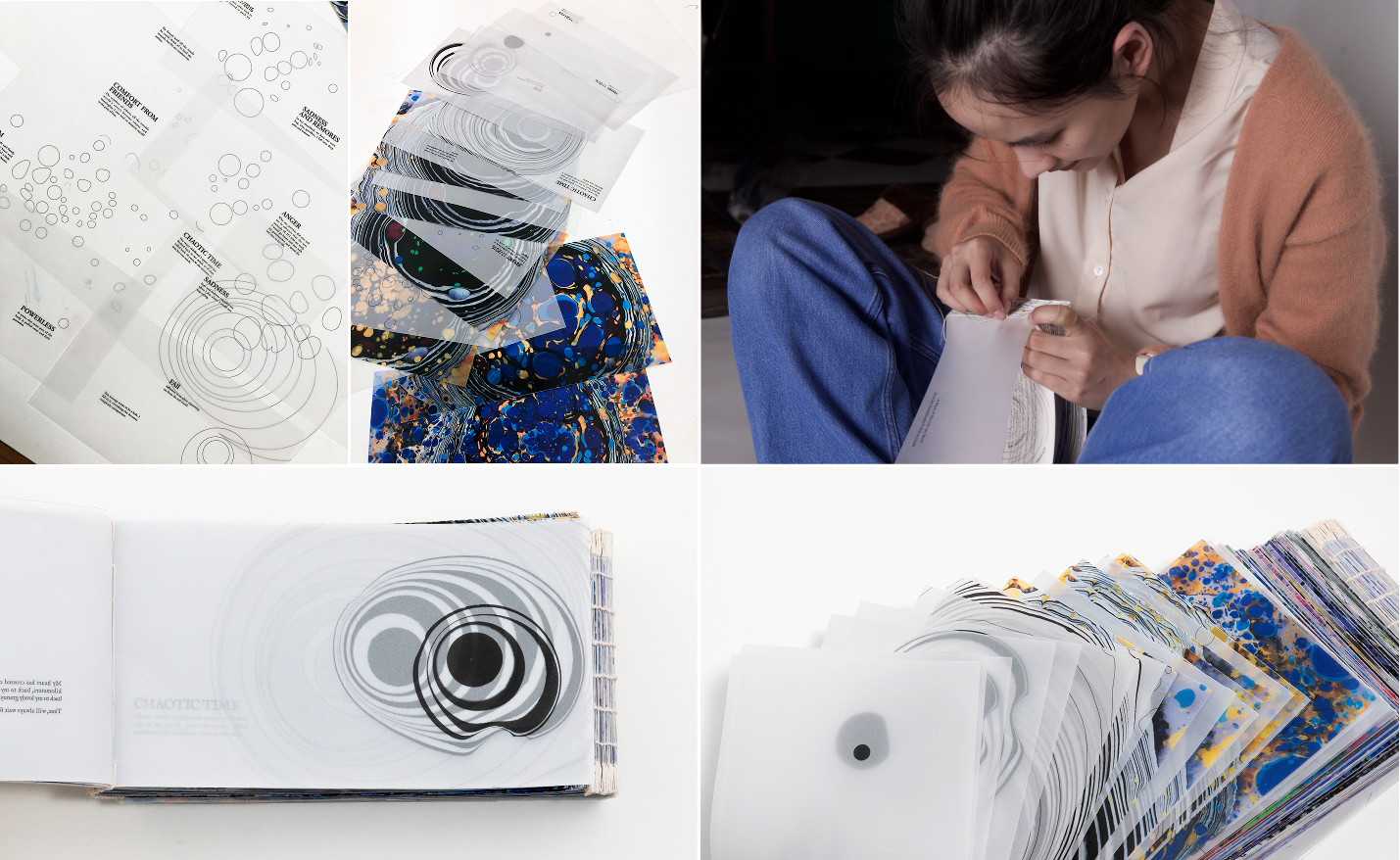
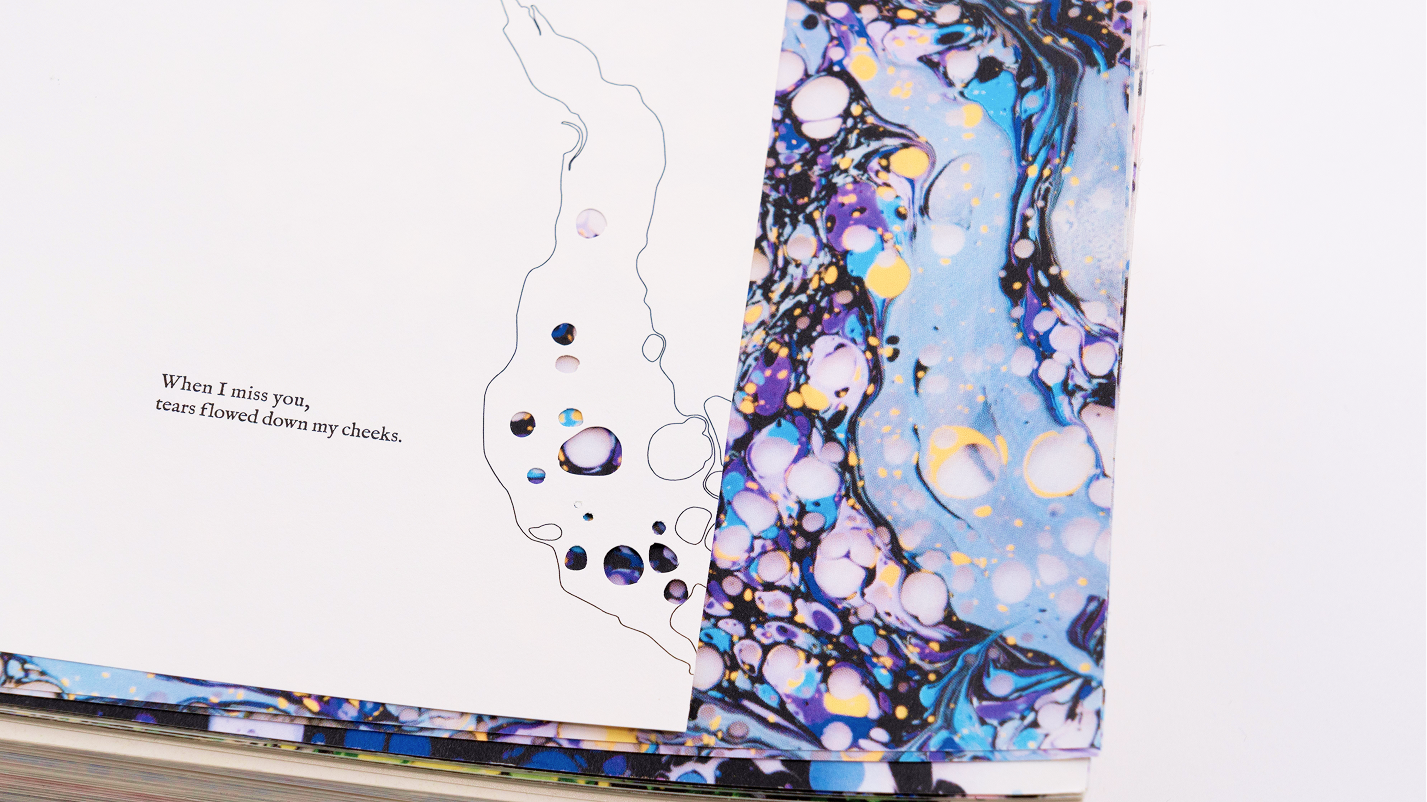
For the physical book, I chose tracing paper (sulphate paper). Though not ideal for sharp printing or vibrant colour reproduction, its semi-transparency powerfully supports the concept of emotion as layered, shifting, and indistinct. As the pages overlap, the images interact—each page becoming both a continuation and a context for the next.
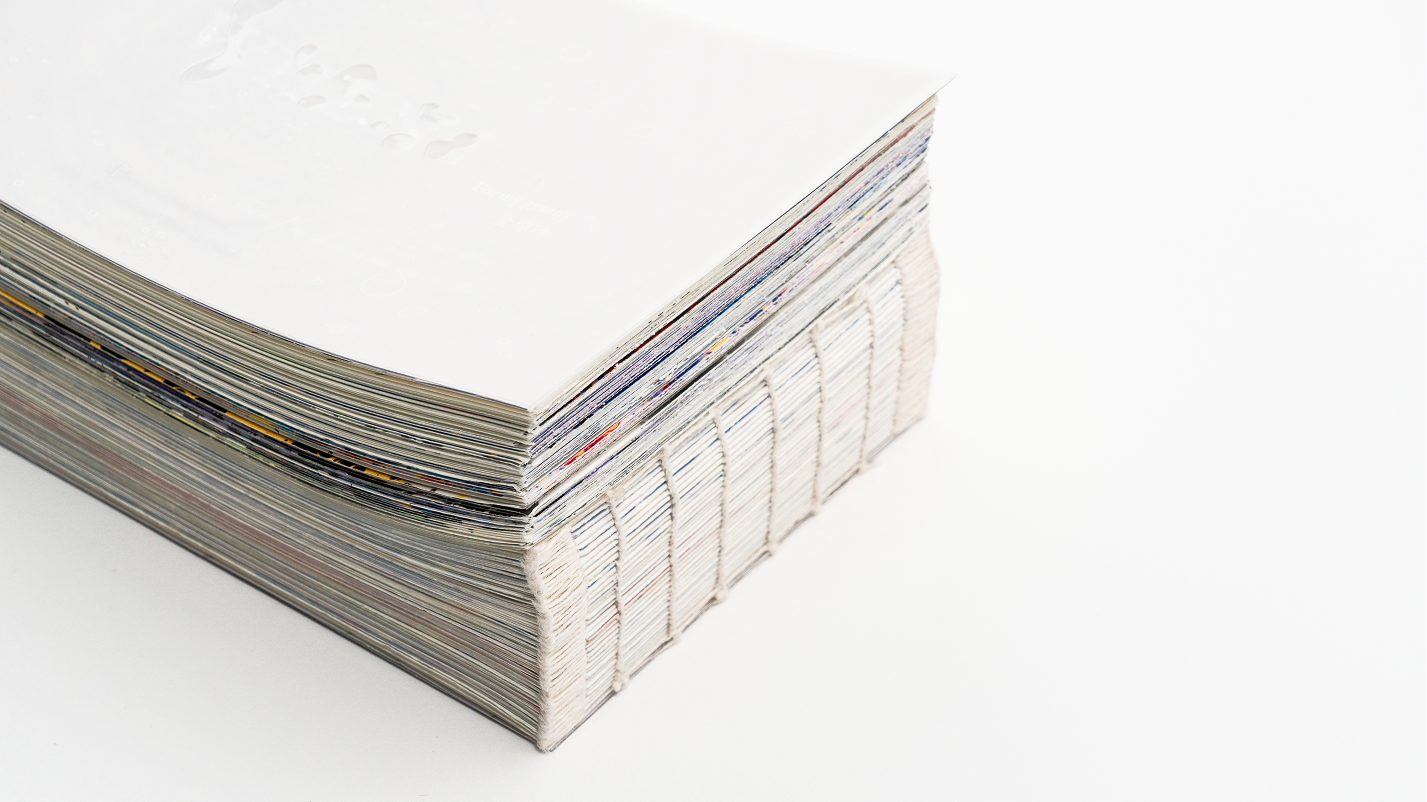
The book is entirely hand-stitched, reinforcing its raw, personal, and tactile quality. It’s a physical object that carries the warmth, fragility, and complexity of the story it holds.
Book Structure
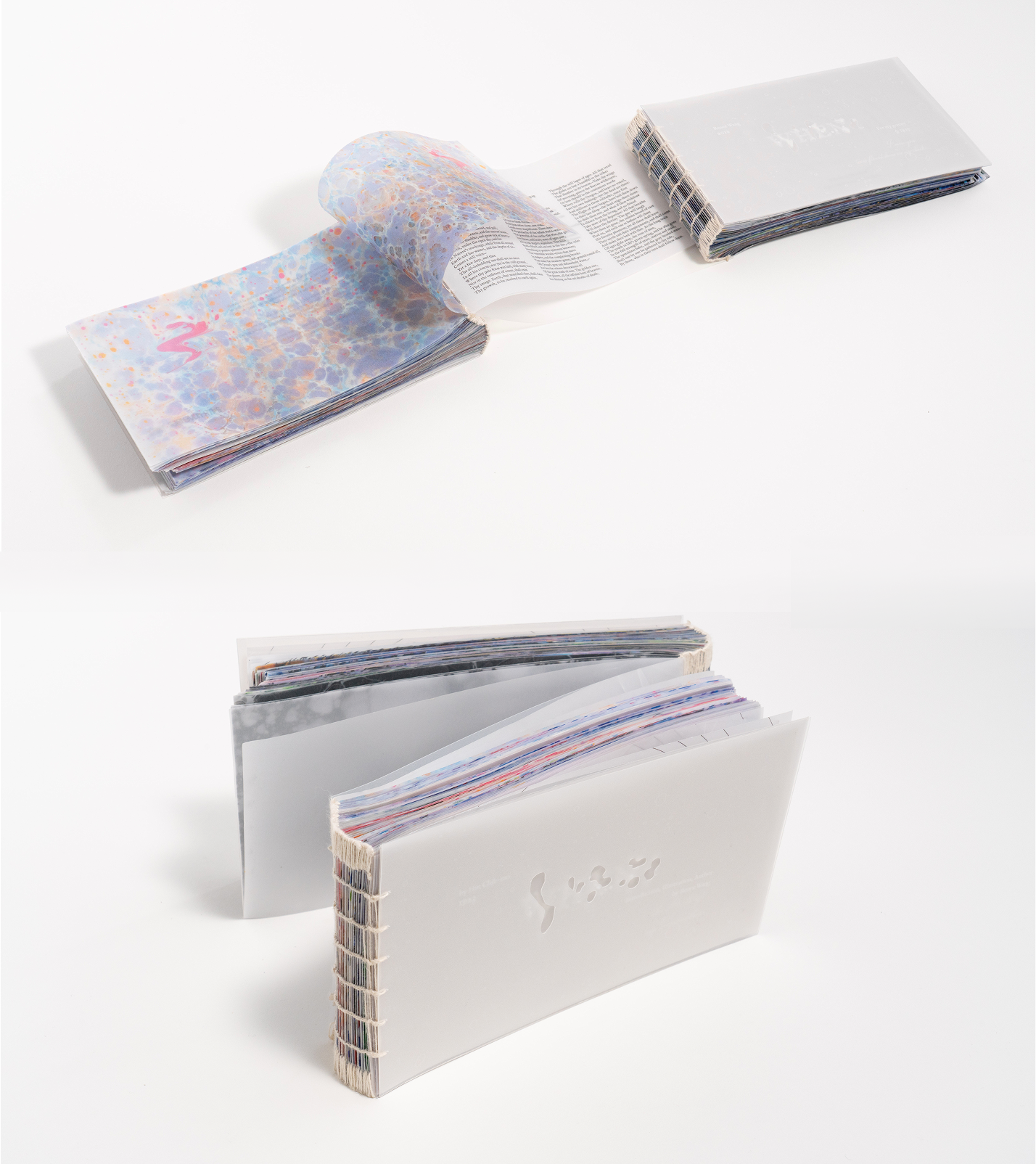
My emotional experience and Hsu Chih-mo’s stand in stark contrast. To reflect this duality, the book was designed with two narrative directions. Our stories are bound together, yet their pages turn in opposite ways—mirroring our emotional opposition while remaining connected through the shared theme of a grandmother’s death.
There is no fixed front or back. Each story has its own cover. They meet in the middle, where opposing emotions converge into a shared space of reflection.
Structure of WHEN
My Section: Cover, Contents, and Title Page.
Hsu Chih-mo’s Section: Cover, Contents, and Title Page.
Conclusion
WHEN is a personal exploration of grief, memory, and cultural silence around death. Through colour, movement, and materiality, it gives form to emotions often left unspoken. By contrasting my story with Hsu Chih-mo’s, the book becomes a quiet space for dialogue—between regret and peace, between generations, and between what is remembered and what is missed.
“Now I know what a ghost is. Unfinished business—that’s what.”
— Renee Wang, 2016
quoted from Salman Rushdie’s The Satanic Verses
“So long as we could live in peace and fulfil our responsibilities, she would smile forever in the dark.”
— Hsu Chih-mo, 1923